What Is Included in a Septic Tank Pumping Service? A Pace, FL, Homeowner's Guide
This guide explains what a septic tank pumping service covers, step by step, so homeowners in Pace, FL, can know what to expect before scheduling an appointment. Many Pace residents rely on on-site septic systems because municipal sewer service is not always available throughout Santa Rosa County, making regular maintenance essential for protecting your home and the local environment.
What Happens During a Septic Tank Pumping Service?
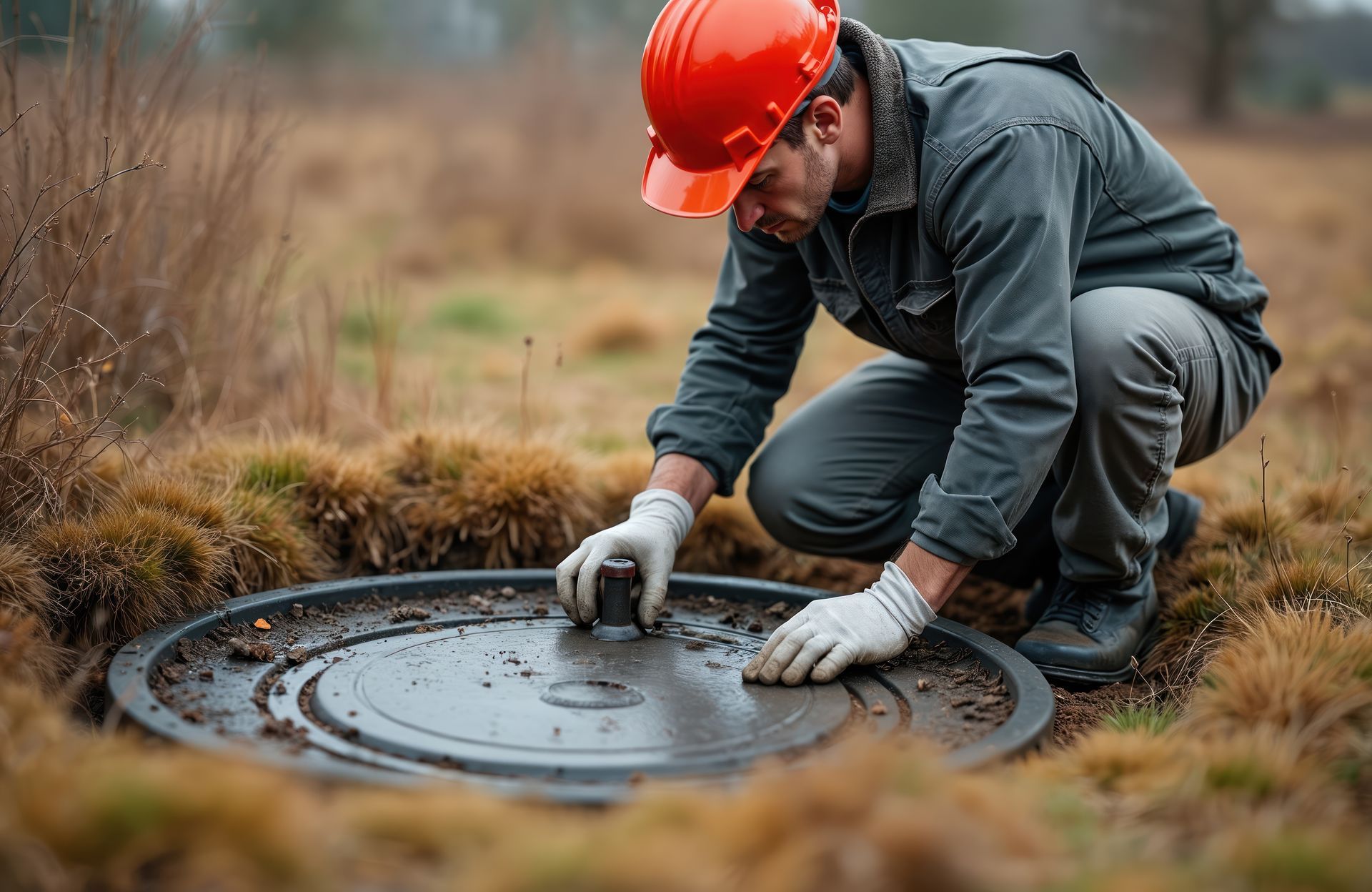
Step 1: Locating and Accessing the Tank
The technician will locate your septic tank and uncover the access lids. In Pace, FL, many tanks are buried a foot or more below grade, so the technician may need to dig to expose the lids. Marking the tank location beforehand and having lids accessible can reduce extra time and fees.
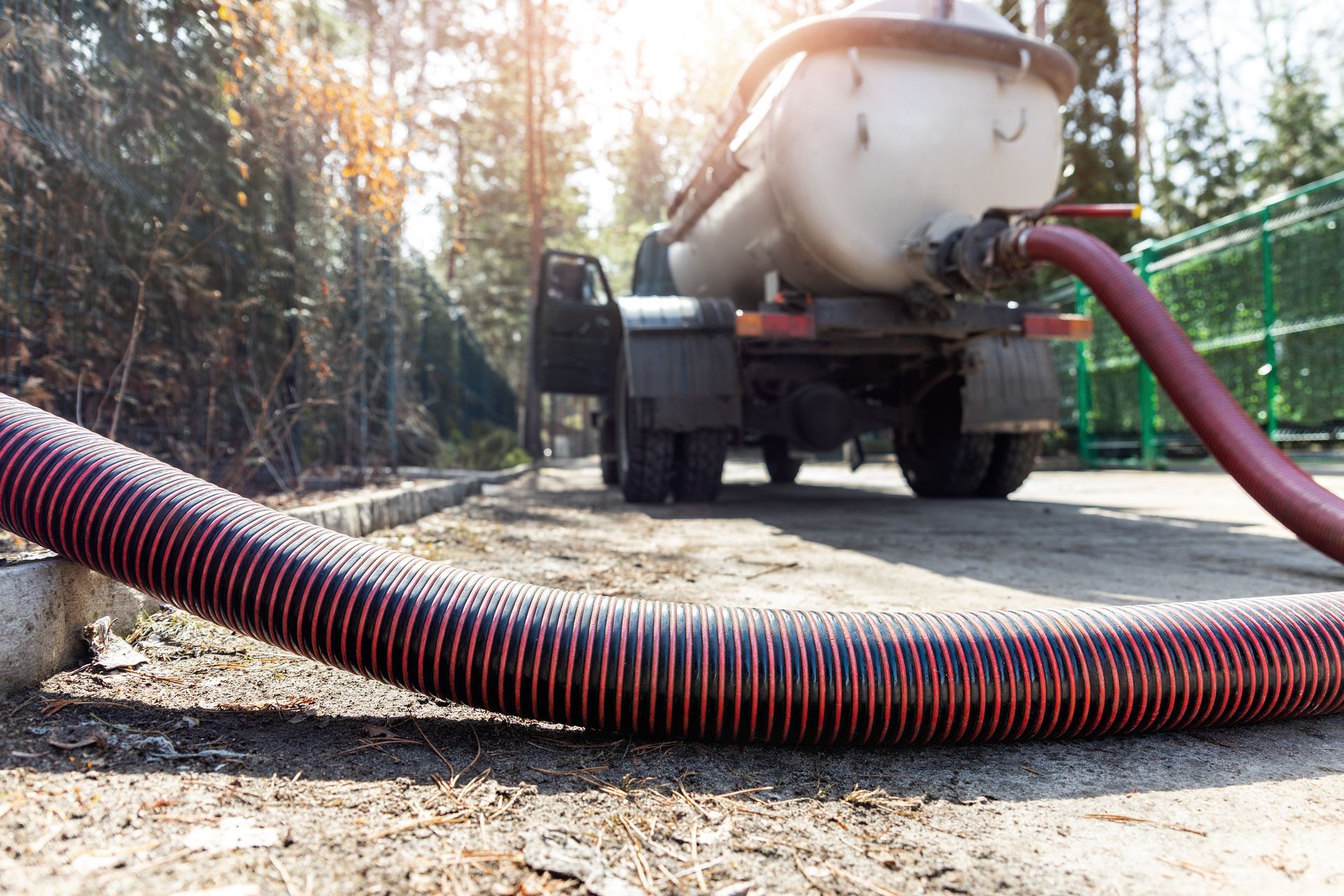
Step 2: Pumping Out Solids and Liquids
Once the lids are open, the technician inserts a large hose connected to a vacuum truck and pumps out all tank contents, including liquid effluent, floating scum, and settled sludge. A thorough pumping removes all three layers. Skipping any layer leaves the tank under-cleaned.
Step 3: Inspecting Tank Walls and Baffles
After emptying, the technician visually inspects the tank walls for cracks or deterioration and checks the inlet and outlet baffles. Baffles direct wastewater flow, and a damaged baffle can allow solids to reach the drainfield, causing a far larger problem. This inspection is a key part of any professional septic tank pumping service.
Step 4: Hauling Waste for Proper Disposal
All pumped material is transported to a licensed disposal facility. Florida regulations require registered septic contractors to handle septage disposal properly. Only qualified contractors may legally perform pumping work in Santa Rosa County under Florida Department of Environmental Protection oversight.
What Is Not Included in a Standard Pumping Service?
A standard pumping visit does not include repairs, drainfield work, or new component installation. If the technician finds a cracked tank wall, a failed baffle, or drainfield saturation, those issues require a separate service call. Pumping also does not resolve tree root intrusion, broken pipes, or a drainfield that has reached the end of its useful life. Septic pumping is maintenance, not repair. Think of it like changing the oil rather than replacing the engine.
Local Considerations for Pace, FL, Homeowners
Pace is an unincorporated Santa Rosa County community where most residential development depends on on-site septic systems. The region's sandy soils drain quickly, which affects drainfield efficiency. Heavy summer rainfall can temporarily saturate the ground around a drainfield and stress the system, making regular pumping especially valuable during high-rainfall periods.
Most conventional systems here have no state-mandated pumping frequency, but industry guidance suggests every three to five years depending on household size and tank capacity. A household of four may need service more often than a smaller household. A professional evaluation of sludge and scum levels during a septic tank pumping service visit is the only reliable way to know your system's actual status.
How to Prepare Before the Technician Arrives
Simple preparation makes your appointment faster and more thorough. Before your scheduled visit: locate and clearly mark your septic tank; clear vehicles, equipment, and debris from the area above it; ensure access lids are dug out if buried; keep children and pets away during service; and note any symptoms such as slow drains or odors to share with the technician.
What Warning Signs Should Prompt an Earlier Service?
Do not wait for a scheduled cycle if you notice slow-draining fixtures throughout the home, gurgling sounds from drains, sewage odors indoors or near the tank, or wet and unusually lush patches of grass over the drainfield. These symptoms call for a prompt septic tank pumping service inspection.
Does Pumping Require a Permit in Florida?
Routine pumping of a conventional septic tank does not typically require a separate permit, but the contractor must hold an active registration through the appropriate local authority. Repairs, modifications, or new installations do require permits through the Florida Department of Environmental Protection or the county health department.
How Long Does a Pumping Appointment Usually Take?
A routine service on a standard residential tank can often be completed in under two hours when the tank is accessible and no repairs are needed. Larger tanks, hard-to-reach locations, or systems overdue for service may take longer. Describing your tank size and location when you call helps the provider plan accordingly.
Schedule Your Septic Service With Maverick Septic Service Inc.
Regular maintenance is one of the most practical investments a homeowner can make. If you are overdue for a pumping visit or have noticed warning signs, now is the time to act.
Maverick Septic Service Inc. serves Pace, FL, and the surrounding Santa Rosa County area.
Contact us today to request a quote or schedule your next septic tank pumping service appointment by calling
(850) 988-8778 and protect your home before a small maintenance item becomes a costly repair.
Recent Posts